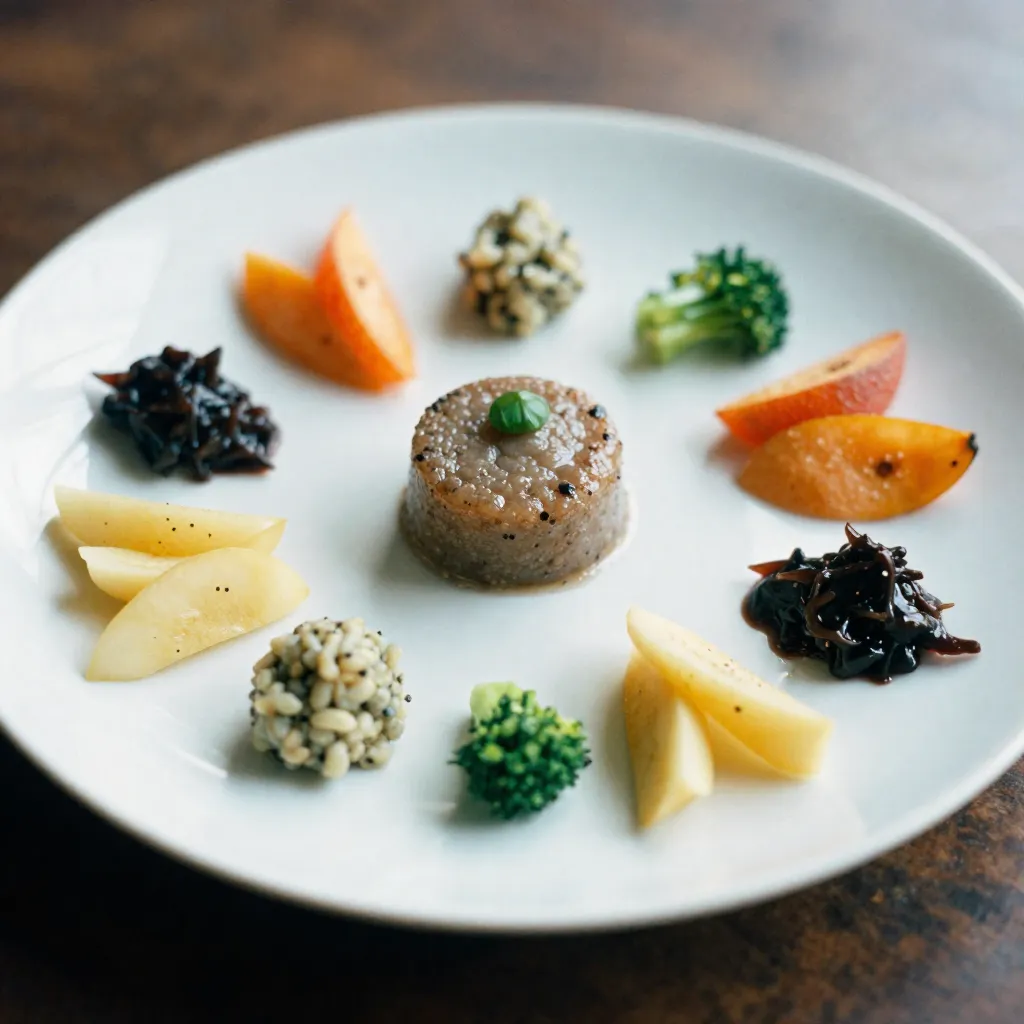
Layers of Taste
Our recipe development treats cooking as a construction project. Each dish is analyzed through its structural components: base layers, accent elements, and finishing textures. This systematic approach ensures visual and flavor balance.
Vertical Flavor Architecture
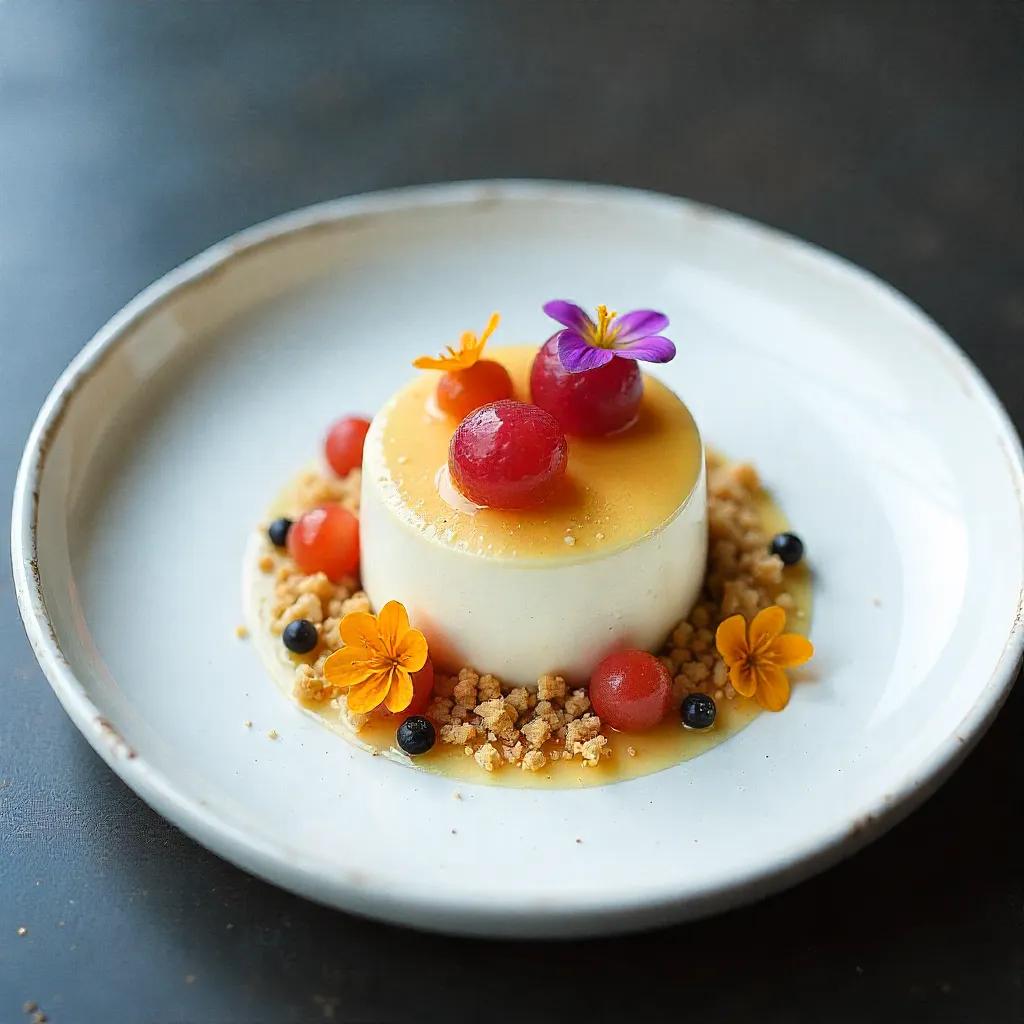
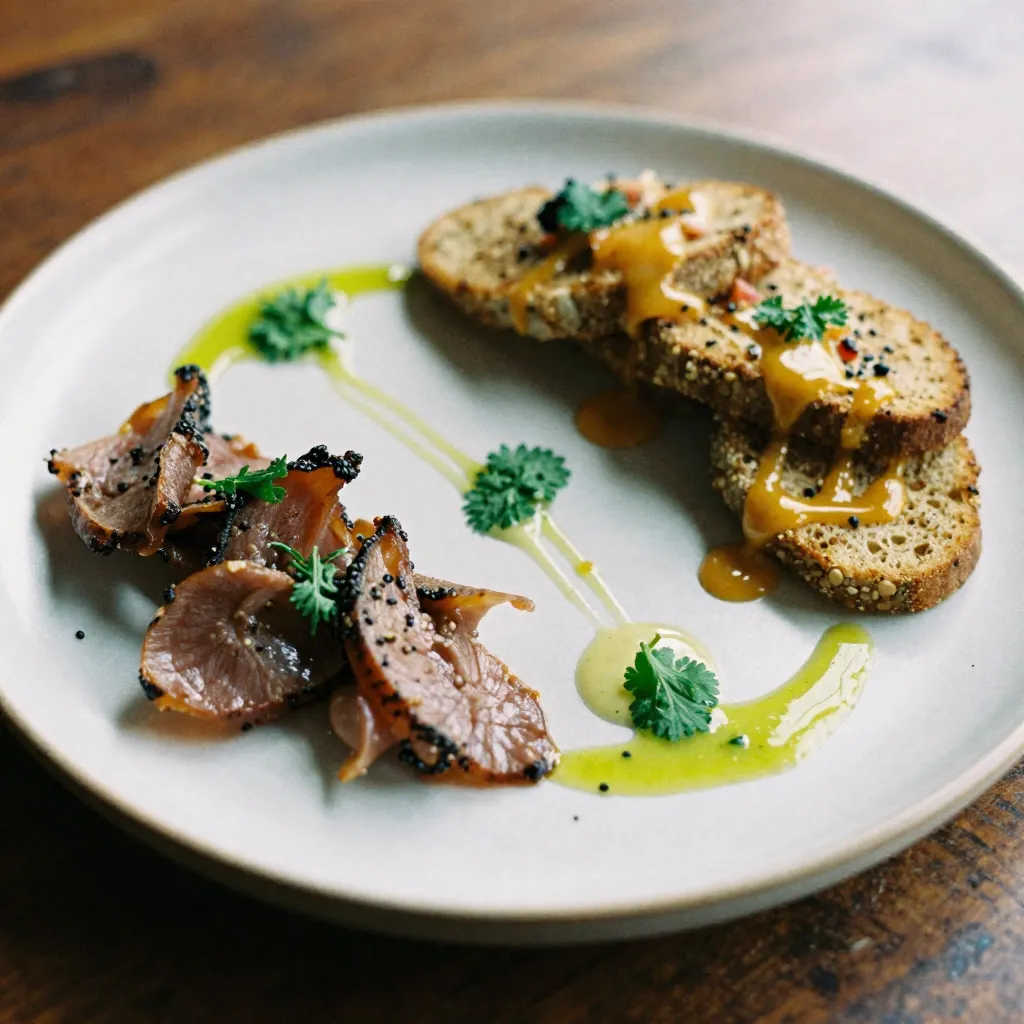
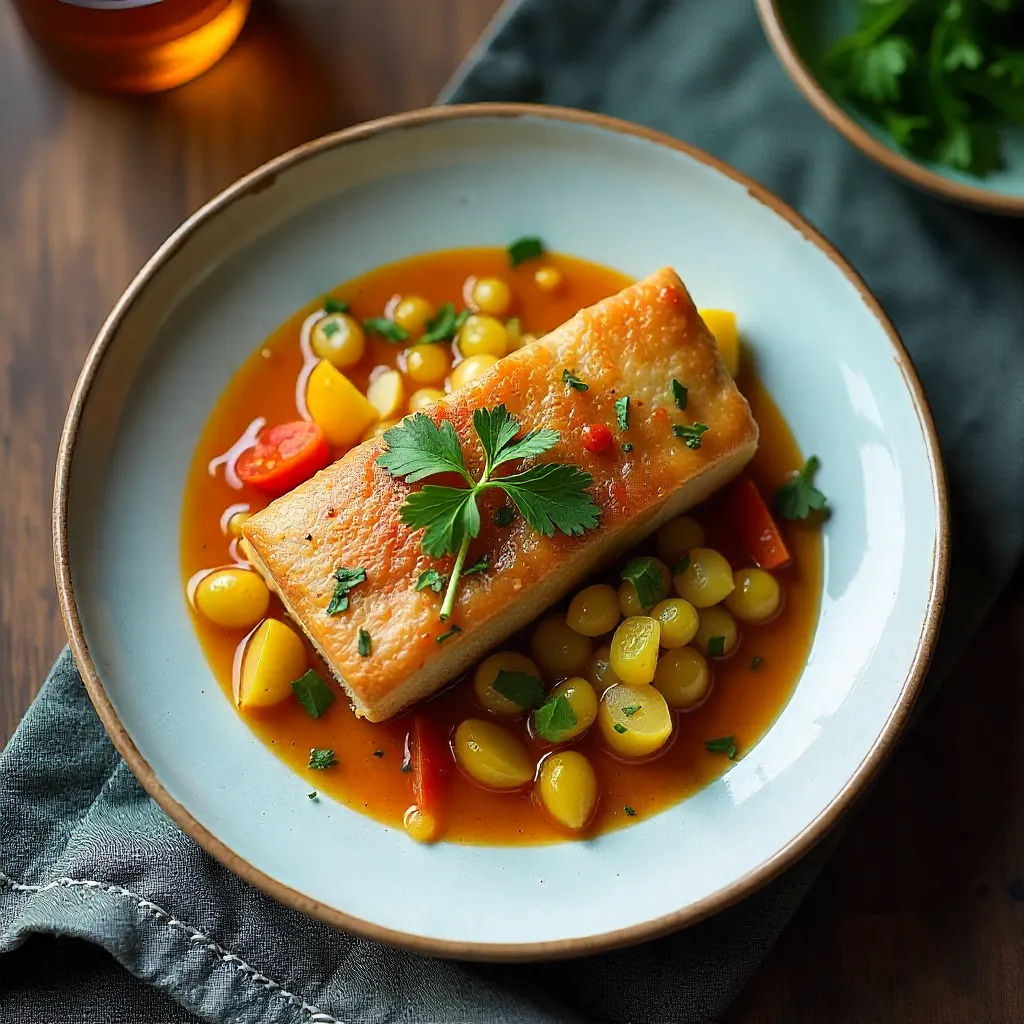
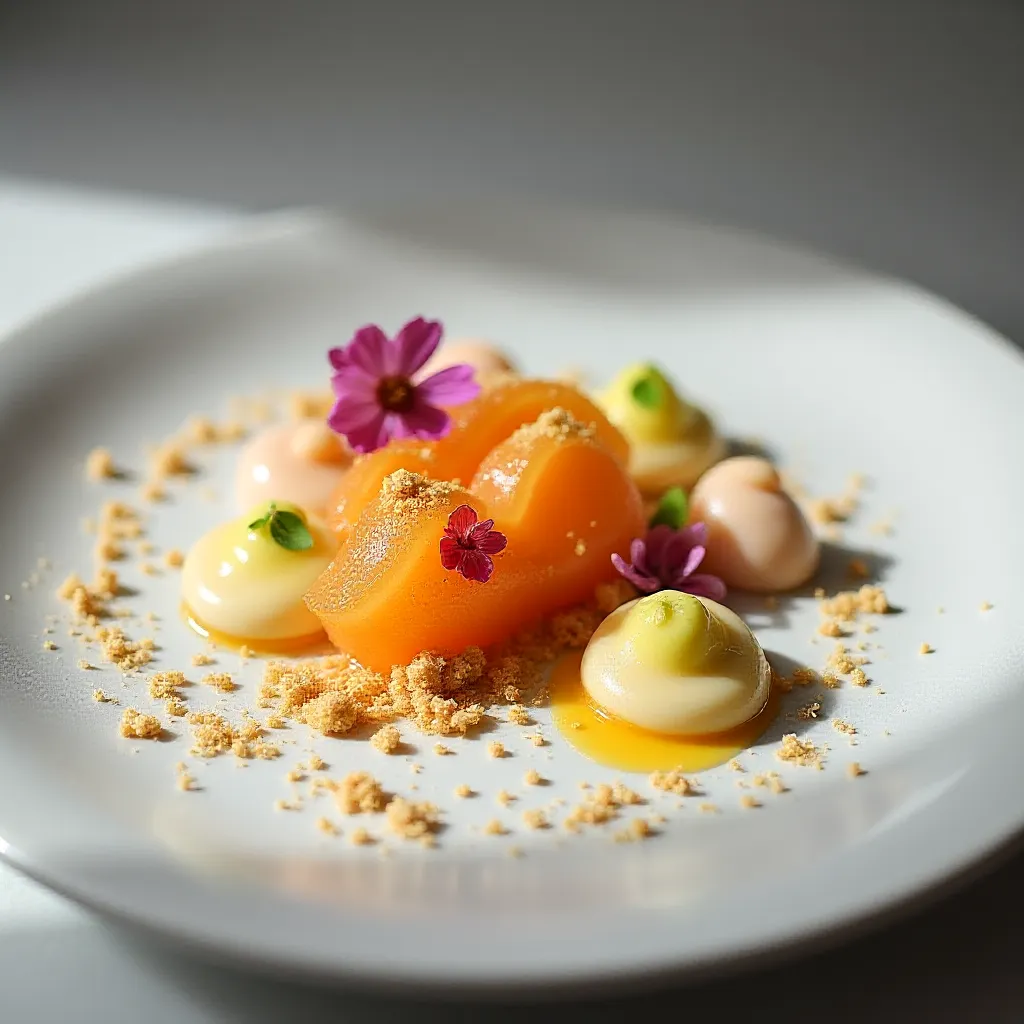
Acidity Layer
The foundation of brightness. Citrus, vinegars, and fermented elements provide the structural support that prevents dishes from feeling heavy or one-dimensional.
Fat Component
Richness and mouthfeel. Oils, butters, and creamy elements create depth and carry flavors, functioning as the binding agent in flavor construction.
Crunch Element
Textural contrast. Crispy, toasted, or dehydrated components add structural interest and prevent monotony in both flavor and visual presentation.
Aromatic Finish
The final layer. Herbs, spices, and finishing oils provide complexity and complete the structural diagram of taste.
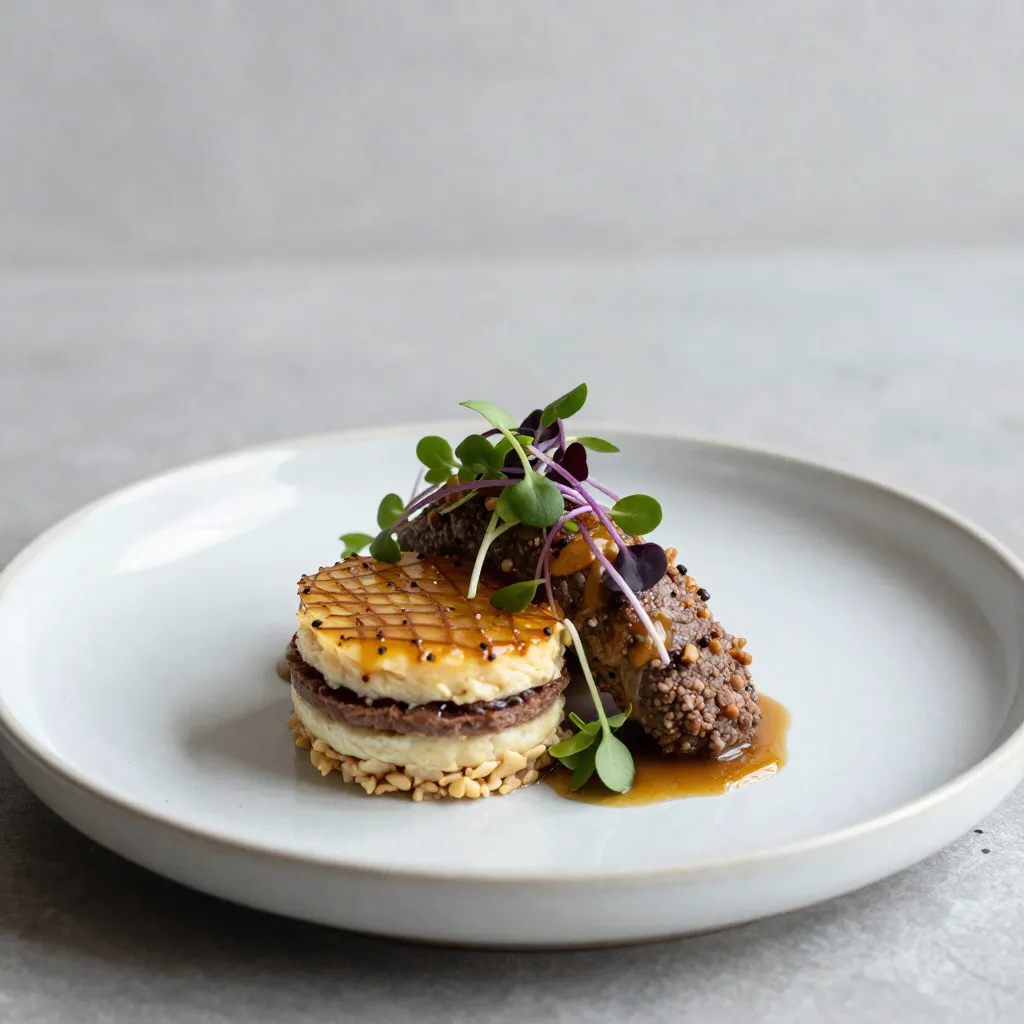
Development Methodology
Our process begins with ingredient selection based on visual and textural properties. We then construct flavor layers systematically, testing each component's contribution to the overall structure. The final recipe is documented with both written instructions and visual diagrams showing placement and proportion.
Analysis
Ingredient evaluation for visual and flavor properties, identifying structural roles.
Design
Construction of flavor layers and visual composition through systematic arrangement.
Documentation
Complete recipe files with structural diagrams and photographic references.
Home-Based Application
Our recipes are designed for home kitchens with accessible ingredients and standard equipment. Each development includes adaptations for different skill levels and equipment availability, ensuring practical application of the structural principles.